

Sligo Office
Mail Coach House,
15 – 16 Mail Coach Rd,
Sligo Town, Co. Sligo.
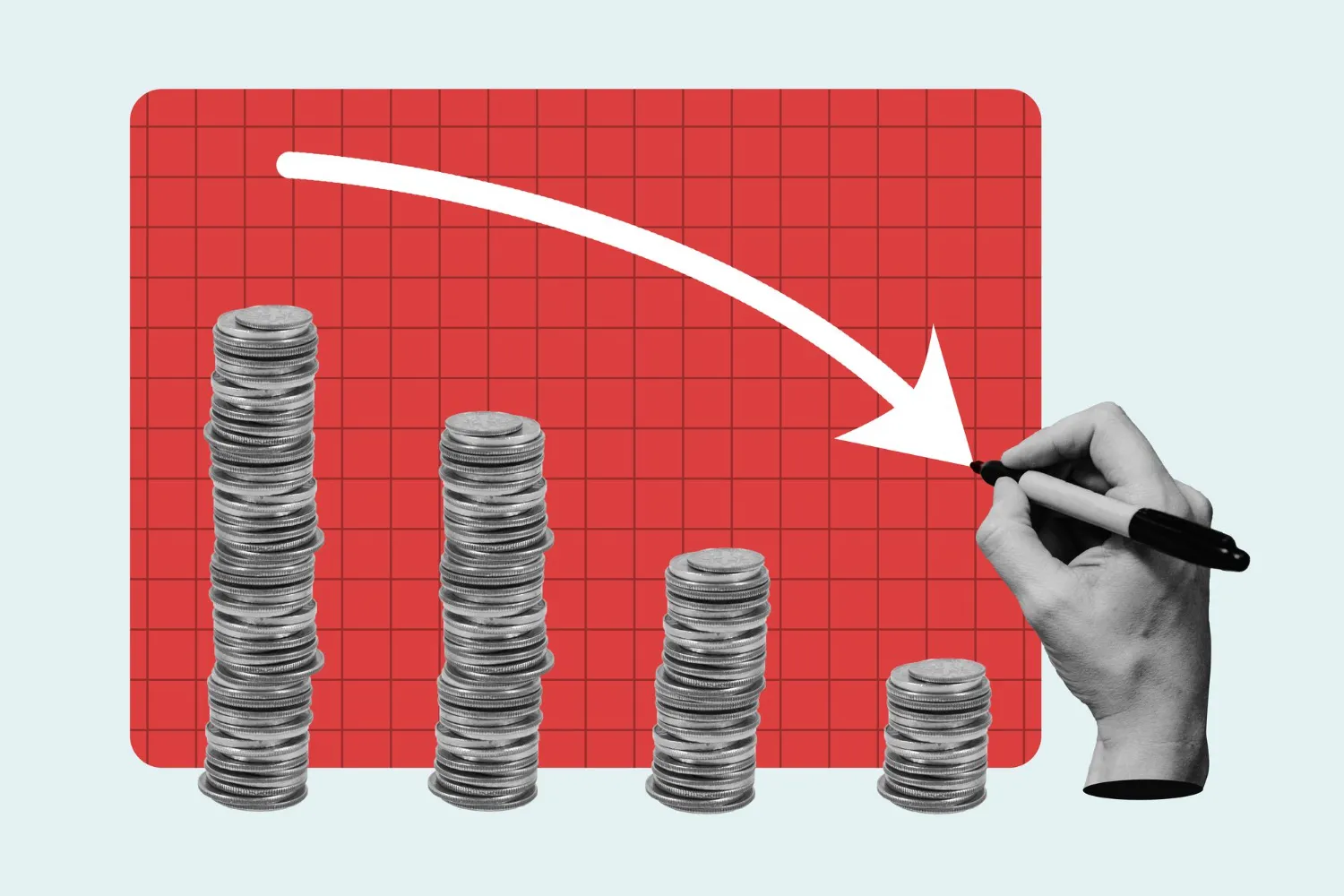
We here at Mulhern Leonard believe that cash flow problems rarely appear overnight. By the time a business owner realises there is not enough cash available to cover wages, suppliers or other commitments, the underlying problem may have been developing for months. Understanding the early warning signs can give business owners more time to take action, protect liquidity and make better financial decisions.
Cash Flow Is About Timing
A profitable business can still experience cash flow difficulties. This is because profit and cash are not the same thing.
A business may make a sale today and record the revenue, but if the customer does not pay for 30, 60 or 90 days, that money is not available to pay today's bills.
At the same time, suppliers, employees, Revenue and other creditors may need to be paid according to their agreed terms. The result can be a gap between money coming into the business and money going out.
This is why cash flow needs to be managed proactively rather than reviewed only when the bank balance becomes uncomfortable.
The Warning Signs Often Appear Early
Cash flow pressure tends to develop through a series of small changes rather than one major event.
For example, customers may gradually start taking longer to pay. Stock levels may increase. Supplier prices may rise. The business may take on additional staff or premises in anticipation of future growth.
Individually, these decisions may appear manageable. Combined, they can create significant pressure on available cash.
Some early warning signs include:
-
Customers regularly paying beyond agreed terms
-
Increasing amounts tied up in unpaid invoices
-
Stock levels rising faster than sales
-
Greater reliance on an overdraft or credit facility
-
Suppliers requesting payment sooner
-
Increasing difficulty meeting routine expenses
-
Cash balances becoming increasingly unpredictable
-
Strong sales accompanied by weak bank balances
These indicators should prompt investigation rather than waiting for a serious shortfall to develop.
Growth Can Create Cash Flow Pressure
One of the less obvious causes of cash flow problems is business growth.
It may seem counterintuitive, but a rapidly growing business can require more cash than a stable business. More sales can mean more stock, additional staff, higher production costs, increased marketing expenditure and greater working capital requirements.
Imagine a business wins a significant new contract. It needs to purchase materials and pay employees before receiving payment from the customer. The business may therefore need to fund the cost of fulfilling the contract for several weeks or months.
The business is growing, but its cash position could become tighter.
Growth should therefore be accompanied by careful cash flow planning.
Slow Credit Control Can Become Expensive
Unpaid invoices are one of the clearest sources of cash flow pressure.
A customer who pays 60 days after receiving an invoice instead of 30 days effectively requires the business to finance an additional month of activity.
If several customers behave in the same way, the amount of cash tied up in receivables can become substantial.
Effective credit control starts before an invoice becomes overdue. Businesses should establish clear payment terms, issue invoices promptly and monitor outstanding balances regularly.
It is also worth identifying customers who consistently pay late and considering whether their payment behaviour needs to be reflected in future commercial decisions.
Stock Can Tie Up More Cash Than Expected
Inventory is another area that can quietly absorb cash.
Holding stock can be necessary, but excess inventory represents money that has already left the bank account without necessarily generating a return.
Slow-moving or obsolete stock can be particularly problematic. The business may have paid suppliers months ago while still waiting to sell the goods.
Regular stock reviews can help identify products that are selling quickly, those that are moving slowly and where purchasing decisions may need to change.
Why Cash Flow Forecasting Matters
A cash flow forecast provides an opportunity to look ahead rather than relying on the current bank balance.
A forecast can estimate expected receipts and payments over the coming weeks or months. This can highlight potential periods where cash may become tight.
The benefit is time.
If a shortfall is identified several months in advance, the business may have options available. These could include improving collection of outstanding invoices, adjusting purchasing, delaying non-essential expenditure, negotiating supplier terms or arranging appropriate finance.
Discovering the problem after a payment is due leaves far fewer options.
Separate Essential Spending From Optional Spending
When cash is tight, every expense deserves consideration.
This does not mean cutting costs indiscriminately. Some expenditure supports revenue generation, efficiency or long-term growth and may be important to maintain.
The key is understanding which costs are essential, which can be delayed and which are delivering an insufficient return.
Regular financial reviews can make these decisions easier because business owners have a clearer understanding of where their money is being spent.
Build Cash Flow Into Regular Decision-Making
Cash flow should be considered when making major business decisions.
Before taking on new employees, purchasing equipment, signing a lease or accepting a large customer contract, consider the effect on future cash requirements.
A decision can be profitable in the long term while still creating short-term pressure. Understanding this timing difference allows business owners to plan accordingly.
The goal is not to avoid spending. It is to ensure that spending decisions are supported by realistic expectations about when cash will leave and return to the business.
Act Before the Bank Balance Becomes the Problem
The most effective approach to cash flow management is preventative.
By monitoring debtor days, stock levels, payment commitments, margins and future cash requirements, business owners can identify pressure before it becomes a crisis.
A strong bank balance today does not necessarily mean the business is financially secure. Likewise, a temporary reduction in cash does not automatically mean the underlying business is performing poorly.
What matters is understanding what is driving the movement in cash and what is likely to happen next.
Cash flow problems often start long before cash runs out. The businesses best placed to deal with them are those that identify the warning signs early and make decisions based on what their finances are telling them.
Disclaimer: This article is based on publicly available information and is intended for general guidance only. While every effort has been made to ensure accuracy at the time of publication, details may change and errors may occur. This content does not constitute financial, legal or professional advice. Readers should seek appropriate professional guidance before making decisions. Neither the publisher nor the authors accept liability for any loss arising from reliance on this material.
If you would like to discuss your business, contact us by email info@mulhernleonard.ie or visit [$ur*l].